
Empower Your Well-being: Education for a Healthier You
Our articles are more than just reading material—they're a stepping stone towards understanding your body and unlocking its potential for healing.

5 Simple Ways to Protect Your Gut During the Holidays (Without Feeling Deprived)
Why your gut is vulnerable during the holidays
Eating differently – Late dinners, heavier foods, more sweets
Stress & travel – Nervous-system activation slows digestion and increases permeability
Disrupted sleep – Poor sleep impairs digestion, detox, inflammation regulation
Less routine – You skip your supplement schedule, workouts drop, healthy habits slip
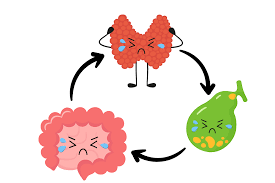
The Thyroid–Gut Connection: Why Women with IBS Often Feel Cold, Tired, and Foggy
How gut dysfunction impairs thyroid and energy
Poor absorption: A leaky gut or dysbiosis can impair nutrient uptake (selenium, zinc, iron) needed for thyroid hormone production.
Impaired conversion: Some gut bacteria help convert inactive thyroid hormone into active T3. Disrupted microbiome = slower conversion.
Immune activation: Chronic gut inflammation feeds autoimmune thyroid conditions (e.g., Hashimoto’s thyroiditis).
Motility issues: Low gut motility (common with gut imbalances) can lead to slower clearance of hormones and toxins, affecting thyroid efficiency.
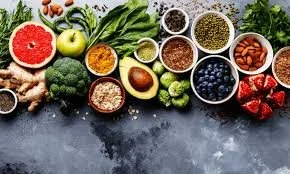
Why Your Gut Isn’t Healing Even Though You’re Eating “Healthy”
You’ve switched to whole foods, eliminated gluten or dairy, maybe tried fermented foods—but the bloating, irregularity, fatigue, and skin breakouts remain. If that sounds familiar, welcome to a truth many women with IBS and chronic gut imbalances discover: Healthy food alone is not enough when root-causes remain hidden.
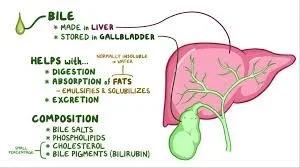
The Overlooked Role of Bile in IBS, Constipation, and Hormone Balance
When bile production or flow is impaired, or the enterohepatic circulation is disturbed, several downstream problems can occur—especially for women with digestive and hormonal symptoms.

The Hidden Connection Between Hormones and IBS Symptoms
If you deal with bloating, constipation, diarrhea, or abdominal pain — and you’ve also noticed your symptoms flare before your period, during PMS, or in perimenopause — you’re not imagining things. Your gut and hormones are more connected than most people realize.
In fact, hormone imbalances are one of the most overlooked drivers of IBS symptoms. Here’s why it happens — and what functional medicine does differently to address it.

Top 5 Foods That Soothe an Irritated Gut
When your gut feels inflamed, bloated, or just plain cranky, the last thing you want to do is throw more fuel on the fire. Luckily, there are gentle, nutrient-rich foods that can help calm irritation, restore balance, and support your gut lining.
Here are my top 5 functional medicine–approved foods to soothe an irritated gut:

Why Stress Might Be the Missing Link in Your IBS Healing Journey
Your gut isn’t just affected by what you eat — it’s affected by how you live. If your IBS isn’t improving despite dietary changes, stress could be the missing link you’ve been overlooking.
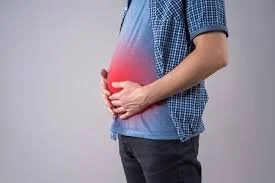
3 Functional Root Causes of Bloating That Often Go Missed
Bloating isn’t always about what you eat — it’s often about how your body is processing food. By looking at the microbiome, digestive capacity, and stress response, we can finally get to the root cause and create a plan that brings relief.
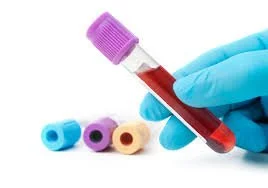
Why Functional Labs Find What Conventional Labs Miss
If you’ve been told your labs are normal but you still don’t feel like yourself, it may be time to take a deeper look. Functional medicine labs offer a more complete picture, helping us uncover hidden imbalances that standard labs overlook.